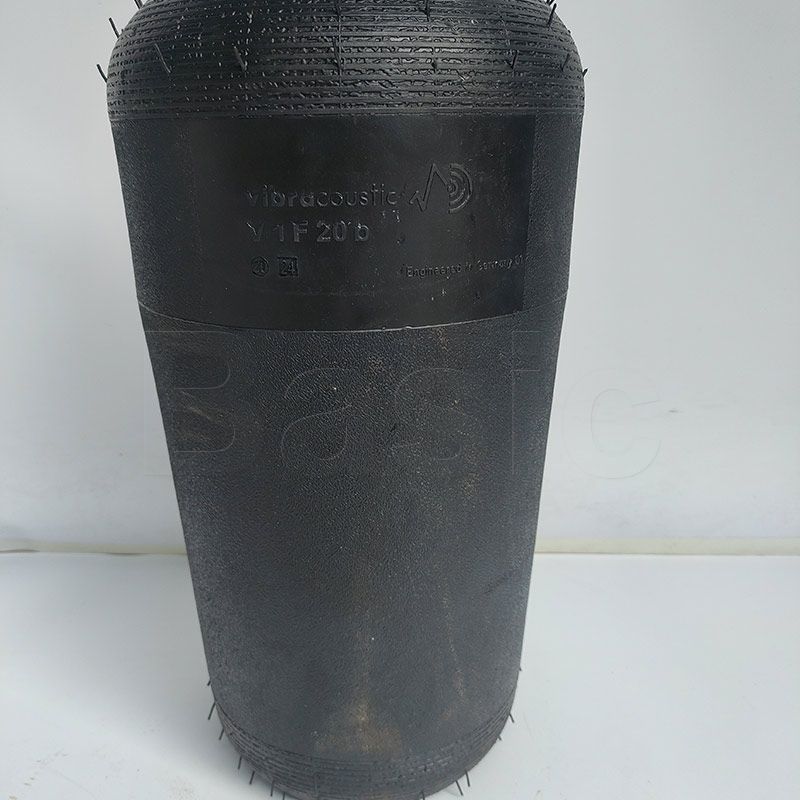
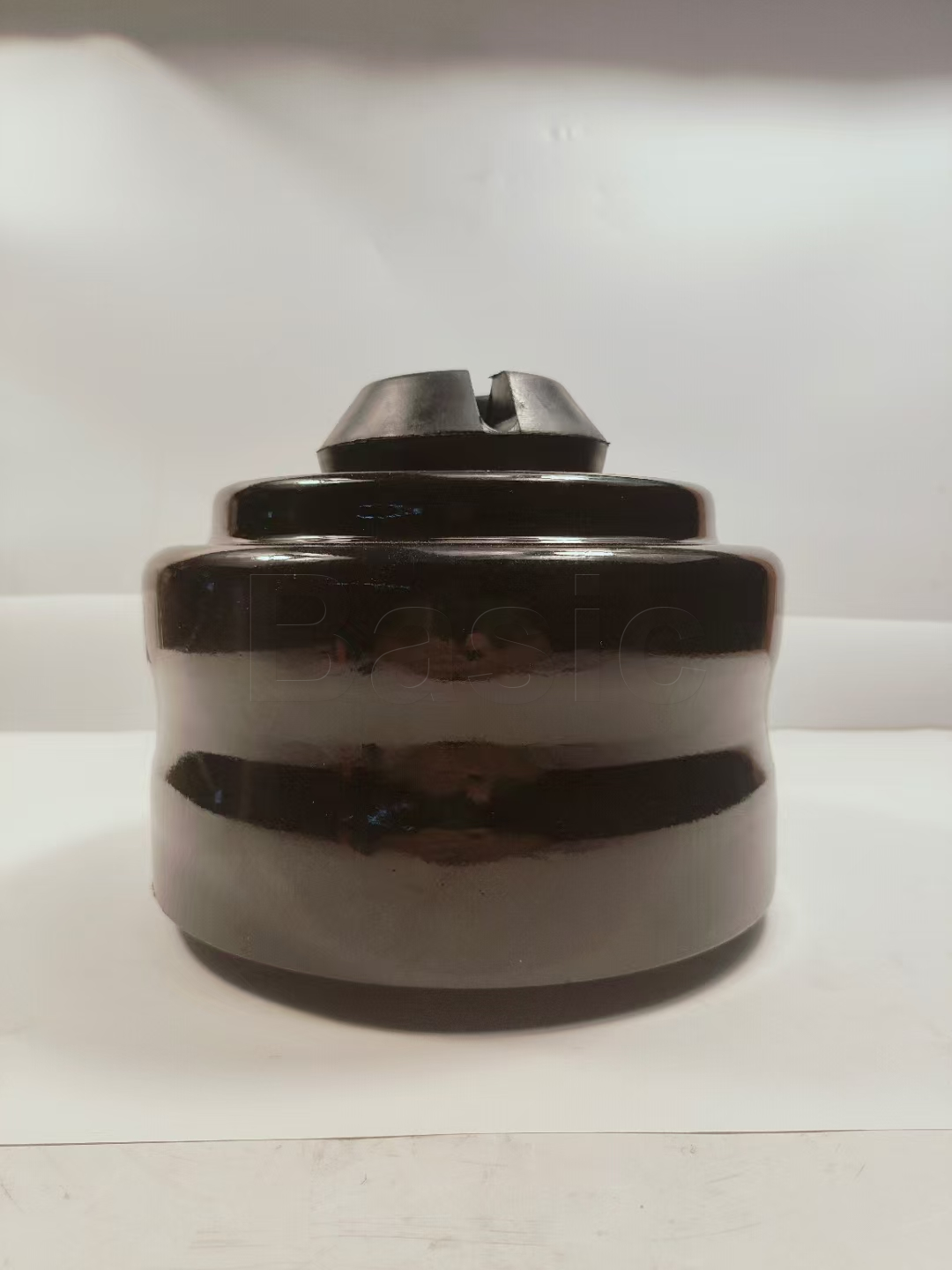
Beginner’s Guide to Vibracoustic Air Spring Replacement
For vehicle owners and mechanics alike, understanding the intricacies of Aftermarket Air Springs is essential. Whether you are dealing with an aging suspension system or aiming to enhance ride quality, the replacement of Vibracoustic air springs can alleviate common problems such as poor handling and excessive noise. Vibracoustic air springs are pivotal in providing a smooth, stable ride; thus, knowing how to replace them effectively is invaluable for those looking to improve their vehicle's performance. This guide aims to address typical user challenges while offering a thorough procedure for air spring replacement.
Basic Knowledge of Vibracoustic Air Springs
Before diving into the Vibracoustic Air Spring Parts, it's crucial to understand some basic terminology. Air springs, also known as pneumatic springs, utilize compressed air to support the weight of a vehicle. The operating principle involves altering the air pressure to adjust ride quality and load capacity. Vibracoustic, a renowned manufacturer, emphasizes the importance of their products in minimizing vibrations and improving overall driving comfort.
- Pneumatic Actuator: A device that uses air pressure to produce motion.
- Load Support Capacity: Measured in pounds per square inch (psi), representing the amount of weight an air spring can support.
- Vibration Damping: The ability to reduce oscillations, measured in damping ratios.
In-Depth Guide to Replacing Vibracoustic Air Springs
Replacing Vibracoustic air springs can be straightforward if the proper steps and tools are used. Below is a step-by-step guide to help ensure a successful replacement.
Step 1: Gather Tools and Materials
- Ratchet and socket set (sizes may vary depending on vehicle).
- Torque wrench calibrated to manufacturer specifications.
- Safety goggles and gloves for protection.
- New Vibracoustic air springs.
Step 2: Prepare the Vehicle
- Park the vehicle on a level surface and engage the parking brake.
- Remove the wheel to gain access to the air spring assembly.
Step 3: Deflate the Existing Air Springs
- Locate the air line and disconnect it using a wrench.
- Allow the air spring to completely deflate before removal.
Step 4: Remove the Old Air Springs
- Unbolt the air spring from its mounting bracket.
- Carefully remove the air spring, taking note of any brackets or supports that might also require attention.
Step 5: Install the New Vibracoustic Air Spring
- Position the new air spring into its mounting bracket.
- Firmly secure the air spring using the bolts, ensuring to torque them according to the vehicle manufacturer’s specifications.
Step 6: Reconnect the Air Line
- Reattach the air line to the new air spring.
- Check for any leaks at the connection points using soapy water, as bubbles will indicate leaks.
Step 7: Reinstall the Wheel and Test Drive
- Replace the wheel and tighten the lug nuts to the specified torque.
- Take the vehicle for a test drive to ensure proper functionality and ride quality.
FAQ about Vibracoustic Air Spring Replacement
- Q: How do I know when my air springs need replacing?
- A: Signs include excessive noise, sagging, uneven tire wear, or a harsh ride.
- Q: Can I replace air springs myself?
- A: Yes, with the right tools and knowledge, most DIY enthusiasts can complete this task.
- Q: What is the expected lifespan of Vibracoustic air springs?
- A: Typically, they can last between 5 to 10 years, depending on usage and maintenance.
Advanced Skills and Extended Reading
For further mastery, consider learning about the calibration of air spring pressure levels based on load conditions. Reference the manufacturer's guidelines to utilize the correct psi settings tailored to your specific vehicle's weight and usage. Additionally, exploring secondary resources on damping ratios will enhance your understanding of air spring performance during dynamic conditions.
Conclusion
Replacing Vibracoustic air springs can significantly enhance your vehicle's ride quality and handling capabilities. For superior quality and performance, it is recommended to source your replacement parts directly from authorized dealers like Basic. They offer a comprehensive range of genuine parts and expert advice for all your needs.