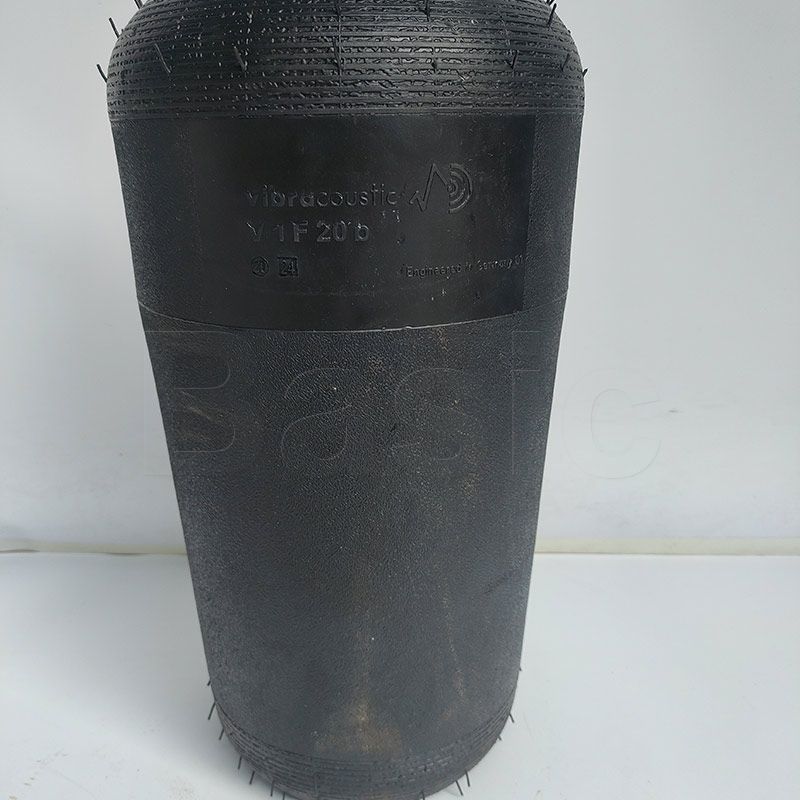
Emerging Trends in Air Spring Technology for Commercial Vehicles

Introduction: Current Market Landscape in Air Spring Technology

The commercial vehicles market is experiencing a transformative phase, with companies like Vibracoustic Air Spring Parts Supplier leading innovations in air spring technologies. Addressing persistent pain points such as uneven load distribution, poor ride quality, and increased maintenance costs, air springs are vital components that enhance vehicle performance. For instance, according to a market analysis by MarketsandMarkets, the global air spring market size is expected to grow from USD 4.2 billion in 2022 to USD 5.5 billion by 2027, at a CAGR of 5.5%. By integrating cutting-edge technologies, manufacturers aim to optimize efficiency and enhance user experience.

Key Drivers and Innovations in Air Spring Technology

Several factors are driving the evolution of air spring technology in commercial vehicles. Key innovations include:

  • Smart Air Spring Systems: These systems are now equipped with sensors that monitor load and adjust air pressure automatically. Research by SAE International indicates that these systems can reduce fuel consumption by up to 15% by ensuring optimal load management.
  • Increased Material Efficiency: The use of advanced composite materials has resulted in air springs that are lighter yet more durable. For example, studies by ScienceDirect show a weight reduction of 20% in some air spring designs, enhancing vehicle payload capacity.
  • Modular Design: New modular designs of air springs simplify replacement processes and reduce downtime, which is critical in commercial operations. Data from industry reports suggest that modular air springs can decrease maintenance time by 30%.

Emerging Trends in Air Spring Technology

Several emerging trends in air spring technology are reshaping the commercial vehicle landscape:

  1. Integration with Digital Platforms: A shift towards digital connectivity in air spring systems allows real-time data analysis, improving decision-making for fleet management. According to Forbes, about 75% of logistics professionals have started implementing IoT technologies, which include air spring sensors.
  2. Environmental Focus: The push for sustainability is driving innovations in eco-friendly materials used in air spring production. A report from Nature highlights that using recycled materials can lower carbon emissions during production processes by approximately 40%.
  3. Customization and Scalability: As OEMs cater to diverse customer requirements, customized air spring solutions are gaining traction. A survey conducted by AHRI found that nearly 65% of clients prefer tailored solutions for better performance in their specific vehicle models.

Impact on Buyers

The advancements in air spring technology significantly affect buyers and their purchasing decisions. Enhanced ride quality, improved fuel efficiency, and reduced maintenance costs create a compelling value proposition. Additionally, the integration of smart technologies presents an opportunity for fleet operators to optimize their operations by reducing unexpected breakdowns. According to a study by Boston Consulting Group, adopting innovative air springs can potentially lower fleet operational costs by 25% over a vehicle's lifecycle.

Practical Suggestions for Buyers

Commercial vehicle buyers should consider the following practical suggestions when evaluating air spring technology:

  • Assess Total Cost of Ownership: When selecting air springs, look beyond the upfront costs and evaluate long-term savings associated with reduced maintenance and improved efficiency.
  • Prioritize Suppliers with Robust R&D: Collaborating with manufacturers that invest in research and development ensures access to the latest technologies and innovations.
  • Evaluate Fleet Compatibility: Ensure that the air springs are compatible with your existing fleet to maximize benefits without requiring extensive modifications.

FAQ on Air Spring Technology

Q1: What is the lifespan of air springs in commercial vehicles?
A1: Typically, air springs can last between 5 to 10 years, depending on usage and maintenance; enhanced designs can extend this lifespan.

Q2: How can I tell if my air springs need replacement?
A2: Common signs include uneven tire wear, poor ride quality, or visible damage to the air springs.

Q3: Are smart air springs worth the investment?
A3: Yes, smart air springs, which provide real-time data and enhanced efficiency, can lead to substantial long-term savings in operational costs.

As the air spring technology landscape evolves, staying informed about these trends and innovations will enable buyers and fleet operators to make strategic decisions that significantly enhance vehicle performance and overall operational efficiency. Click here for more information on premium air spring solutions!

  • wechat

    Accessories Sales Consultant: +86 135 4415 8960

Chat with Us