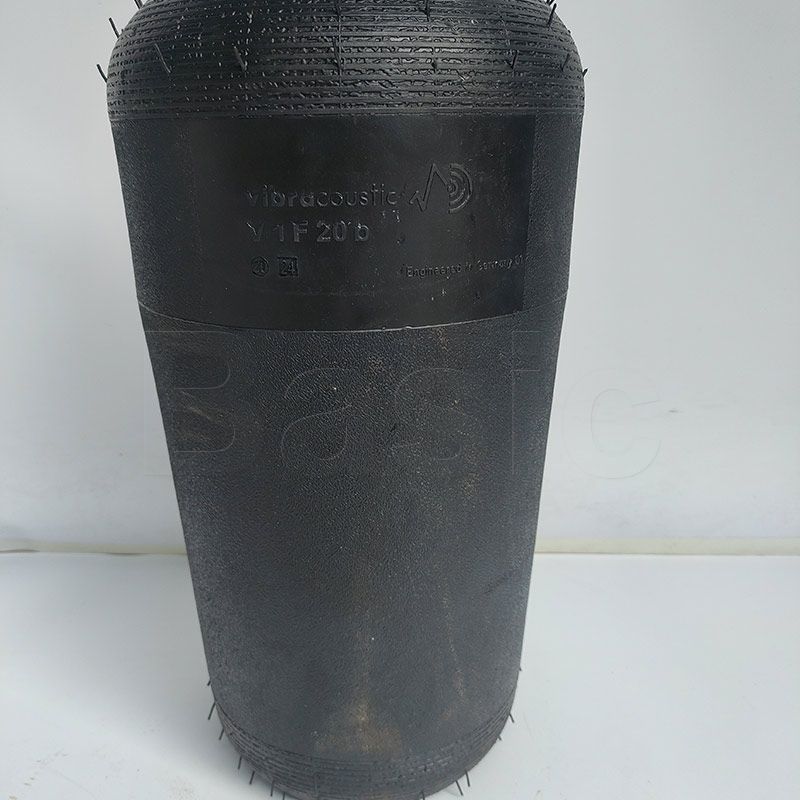
Heavy-duty air springs, also known as air suspension systems, play a crucial role in enhancing vehicle performance, comfort, and load management. However, these essential components can suffer from wear and tear over time, leading to decreased functionality and potential safety issues. As an Air Spring Parts Supplier, understanding how to extend the life of your air springs not only saves you money on replacements but also enhances your vehicle's overall performance. This article explores proven methods and practical tips to prolong the lifespan of heavy-duty air springs based on industry best practices.
Why: Frequent inspections can spot issues early, preventing costly repairs.
Conduct visual and physical checks on your air springs every month. Look for signs of wear, cracks, or leaks. Ensure the air spring pressure is within manufacturer specifications and that there are no obstructions around it. If you notice uneven inflation or visible damage, it may be time to replace them. Regular maintenance can significantly reduce breakdowns and enhance performance, making it suitable for vehicle owners who frequently use their vehicles for heavy hauling.
Why: Overloading can lead to premature failure of air springs.
Always abide by the manufacturer’s recommended weight limits for your specific heavy-duty application. Keep track of the load distribution to avoid putting excessive pressure on a single air spring, which can lead to uneven wear. For operators of delivery vehicles or commercial trucks, understanding proper load management is crucial for protecting air springs and ensuring efficient operations.
Why: Quality parts can greatly enhance performance and durability.
When replacing air springs, choose reputable brands like Basic that provide OEM (original equipment manufacturer) quality products. Investing in high-quality heavy-duty air springs can minimize the likelihood of complications and prolong the system's functionality. This tip is especially relevant for fleet owners who rely heavily on vehicle uptime and performance.
Why: Correct air pressure helps maintain optimal performance and comfort levels.
Perform regular checks using a reliable air pressure gauge to ensure that your air springs are inflated to the recommended psi (pounds per square inch) levels. Underinflated or overinflated air springs can lead to a harsh ride and premature wear. This guideline is essential for both casual users and professionals in logistics who require a smooth ride under all loading conditions.
Why: Road conditions can have a significant impact on air spring longevity.
Minimize driving over potholes, speed bumps, or unpaved roads. If such conditions are unavoidable, drive at reduced speeds to mitigate the risk of damaging your air suspension system. Users who frequently navigate rough terrains should take special care to protect their air springs, as repeated shock can lead to quicker wear and tear.
Why: Seasonal changes can affect air spring integrity and performance.
Prior to seasonal changes, especially before winter and summer months, conduct a thorough inspection of your air springs. Cold temperatures can cause materials to become brittle, while heat can lead to expansion and potential leaks. It's advisable for all vehicle owners to adopt this practice to ensure their suspension systems remain reliable throughout the year.
By regularly inspecting and maintaining your heavy-duty air springs, managing loads properly, using quality parts, maintaining optimal air pressure, avoiding harsh conditions, and implementing seasonal inspections, you can significantly extend their lifespan. These practices will ensure a safer, smoother ride and maximize the efficiency of your vehicle.
What are heavy-duty air springs?
Heavy-duty air springs are components of air suspension systems used in vehicles to support loads and provide a smoother ride by adjusting air pressure.
How can I tell if my air springs need replacing?
Signs include visible wear or damage, uneven inflation, or a harsh ride quality.
How often should I inspect my air springs?
It is recommended to inspect your air springs at least once a month or prior to any long trips.
 Basic Air Springs" />