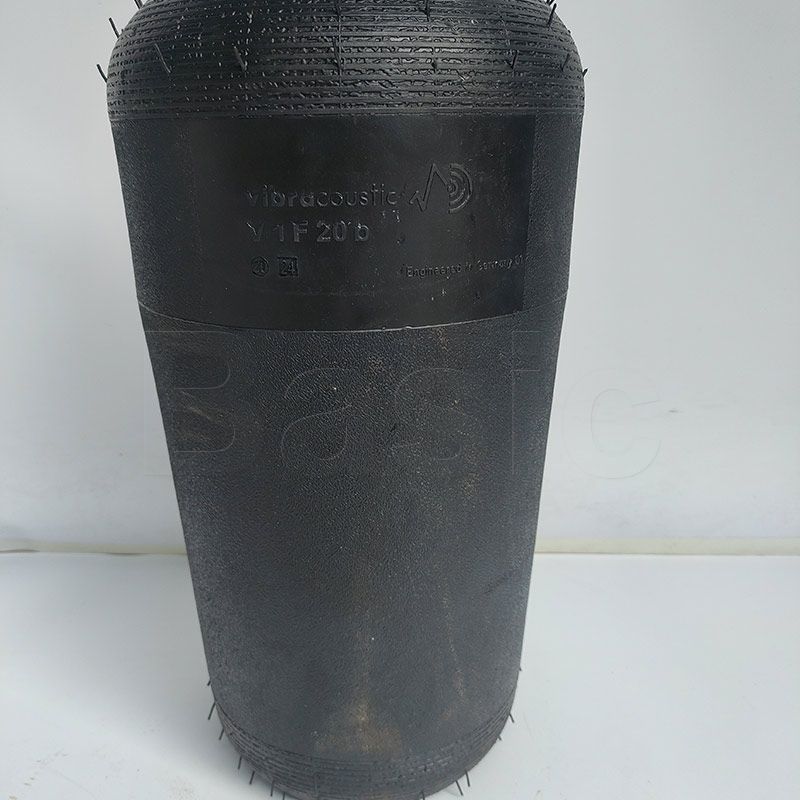
The fleet management landscape is rapidly evolving, with a shift towards innovative suspension technologies such as Aftermarket Air Springs that effectively address many common challenges faced by fleet operators. Rising fuel costs, the imperative for enhanced driver comfort, and the need for greater load stability in diverse environments have created a pressing need for advanced suspension systems. These pain points can lead to increased wear and tear on vehicles, higher maintenance costs, and decreased operational efficiency. By integrating high-quality air suspension systems, fleet owners can experience significant improvements in ride quality and overall vehicle performance, ultimately mitigating downtimes and enhancing operational efficiency.
The future of fleet suspension systems is being shaped by technological advancements and a growing emphasis on sustainability. Innovations such as adaptive air suspension and advanced control systems are paving the way for highly responsive fleets. According to a report by Research and Markets, the global air suspension system market is expected to grow at a CAGR of 5.48% from 2023 to 2028, reaching a value of USD 7.5 billion by the end of the forecast period. This growth is largely attributed to technological improvements and the escalating demand for enhanced ride comfort and cargo protection.
1. **Integration of Smart Suspension Technologies:** Emerging technologies enable real-time monitoring and adjustments of suspension systems, improving the driving experience. Fleet operators who have adopted these systems report a reduction in road fatigue by up to 30%, enhancing driver productivity during lengthy hauls.
2. **Sustainable Materials in Manufacturing:** Innovations in materials science are leading to the production of lighter, yet robust, air springs. For example, the use of composite materials can reduce the weight of suspension components by 15-20%, contributing to improved fuel efficiency and reduced emissions.
3. **Increased Adoption of Air Springs in Commercial Fleets:** According to a survey conducted by the American Trucking Association, 67% of fleet operators are planning to invest in air suspension technology in the next three years. The ability of air springs to maintain optimal tire contact with the road leads to better traction and safety under load conditions.
4. **Customization and Modular Designs:** Fleet managers are increasingly pursuing customizable air suspension solutions tailored to specific operational demands. Recent data indicates that modular air suspension designs can lead to cost savings of 15% on average for maintenance through easier serviceability and replaceable components.
5. **Enhanced Diagnostics and Predictive Maintenance:** IoT-based diagnostics provide fleet managers with insights into the performance and health of their suspension systems. Implementing predictive maintenance strategies can reduce unexpected breakdowns by up to 40%, as highlighted by recent studies from the National Institute for Automotive Service Excellence (ASE).
The adoption of advanced fleet suspension technologies will have far-reaching implications for fleet operators. Improved ride quality not only enhances driver satisfaction but also reduces wear on vehicle components, resulting in lowered total cost of ownership. Fleet managers must consider the long-term investment in Aftermarket Air Springs, as the initial costs are often offset by savings in maintenance and operational disruptions in the longer term.
1. **Invest in Training:** Ensuring your maintenance and technical staff are trained in the latest suspension technologies is crucial. This knowledge can lead to proficient upkeep and troubleshooting of air spring systems.
2. **Consider Total Cost of Ownership:** Evaluate suspension systems not purely on upfront costs but also on the potential for longevity and savings in operational costs. Air springs, for example, can significantly enhance fuel efficiency.
3. **Stay Updated with Industry Trends:** Regularly monitor technological advancements in fleet management and suspension systems. Establish connections with manufacturers like Basic, who are at the forefront of innovation in air springs.
Q1: What are air springs?
A1: Air springs are flexible components that use compressed air to support vehicle weight, enhance ride comfort, and improve stability when hauling loads.
Q2: How do air springs improve vehicle performance?
A2: Air springs adjust automatically to changes in load conditions, providing a consistent ride quality and reducing bounce and sway, which leads to better driver control and comfort.
Q3: Are air suspension systems more expensive than traditional systems?
A3: While the initial cost may be higher, the long-term savings from decreased maintenance costs and increased fuel efficiency often justify the investment.
In conclusion, the evolution of fleet suspension systems towards air springs represents a significant shift that satisfies the emerging demands of fleet operators. By staying informed and proactive in adopting these technologies, fleet managers can enhance overall operational efficiency and deliver superior service.