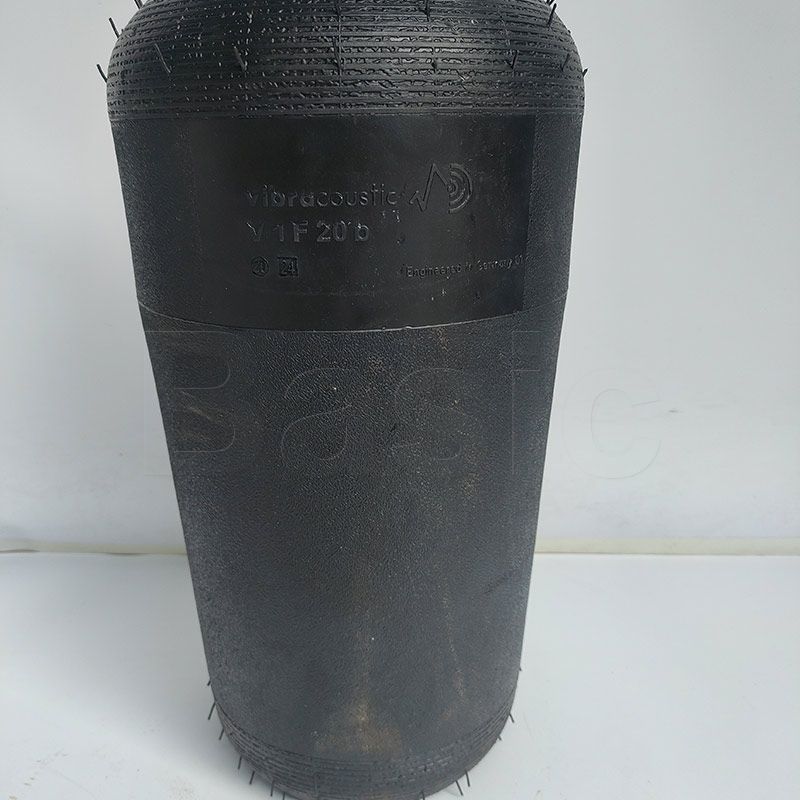
Practical Guide to Upgrading Suspension Systems with Vibracoustic

Are you an automotive enthusiast or a fleet manager looking to enhance the ride quality of your vehicles? Upgrading suspension systems with air spring parts, specifically utilizing Vibracoustic components, can solve common issues like poor handling, excessive body roll, and uneven tire wear. This guide aims to help users navigate the complexities of upgrading suspension systems while addressing predominant pain points such as installation complexities and compatibility concerns, ensuring you achieve an optimal driving experience.

Understanding Air Spring Parts and Their Importance

Before tackling the upgrade process, it's essential to establish a foundational understanding of key terminology and principles. Air springs, often referred to as airbags, are vital components of suspension systems that absorb shocks and adjust to various weight loads, enhancing ride comfort and ensuring stability. The background of air spring technology dates back to the mid-20th century, with advancements leading to modern designs that improve vehicle performance and handling. Research indicates that vehicles equipped with aftermarket air springs can show a significant improvement in carrying capacity, ranging up to 50% more than standard systems, providing smoother rides even under heavy loads.

Step-by-Step Guide to Upgrade Your Suspension System

Upgrading your suspension system involves a detailed process that requires planning and the right tools. Follow these steps to ensure a successful upgrade:

  1. Assess Your Current Suspension: Begin by evaluating your vehicle's suspension system. Identify characteristics that require improvement, such as noise levels or responsiveness. Consulting diagnostic tools can highlight specific deficiencies.
  2. Select Compatible Vibracoustic Air Spring Parts: Choose the right aftermarket air springs based on compatibility with your vehicle model. A major consideration is the load capacity, which in some instances can be increased by as much as 40% with the right selection.
  3. Gather Your Tools: For installation, you will need Basic hand tools including wrenches, screwdrivers, a jack, jack stands, and possibly an air compressor for inflation. Ensure each tool is calibrated to offer precision during installation.
  4. Prepare the Vehicle: Safely lift the vehicle using a jack and secure it with jack stands. This provides access to the suspension components. Make sure to follow safety measures to prevent accidents during this process.
  5. Remove the Existing Components: Detach the old suspension parts carefully. Common challenges include corrosion and rust, which may require rust penetrant solutions to loosen bolts and fittings.
  6. Install the Vibracoustic Air Springs: Position the new air springs in place. Ensure that all connections are secure, and pay attention to manufacturer specifications for torque settings. Incorrect settings can lead to air leaks or system failure.
  7. Connect and Inflate: Use the air compressor to inflate the newly installed air springs to the recommended pressure, which typically ranges between 5 to 20 PSI depending on the model. Achieving the correct pressure is crucial for maintaining optimal performance.
  8. Test and Adjust: Once installed, take your vehicle for a test drive to evaluate the suspension’s performance. Listen for any unusual sounds and check for leaks in the air lines. Make adjustments to the air pressure as necessary for the best ride quality.
  9. Document Changes: Maintain records of your upgrade, noting air pressure settings, installed parts, and performance results. This documentation can be invaluable for future maintenance or troubleshooting.

FAQ

What are the benefits of aftermarket air springs?

Aftermarket air springs enhance ride quality, increase load carrying capabilities, and provide adjustability for varying driving conditions. Studies reveal that vehicles with air spring upgrades can experience up to 30% less body roll during cornering.

How often should I check my air springs?

Regular inspections are advisable every 6 months. Monitor pressure levels and inspect for leaks to ensure ongoing performance.

Can I install air springs myself?

Yes, with the right tools and instructions, DIY installation is feasible. However, professional installation is recommended if you are unfamiliar with suspension systems to avoid improper setups.

Advanced Skills and Extended Reading

To delve deeper into advanced suspension tuning and maintenance strategies, consider exploring topics such as damping adjustments and the influence of spring rates on handling dynamics. Resources like the Vibracoustic website offer a wealth of information tailored to experienced mechanics and DIY enthusiasts alike.

Conclusion: Recommended Products and Support

For the best suspension system upgrades, consider Vibracoustic air springs, known for their reliability and performance enhancements. For assistance with compatibility or installation inquiries, feel free to contact Basic for professional guidance and quality products.

Practical Guide to Upgrading Suspension Systems with Vibracoustic

  • wechat

    Accessories Sales Consultant: +86 135 4415 8960

Chat with Us