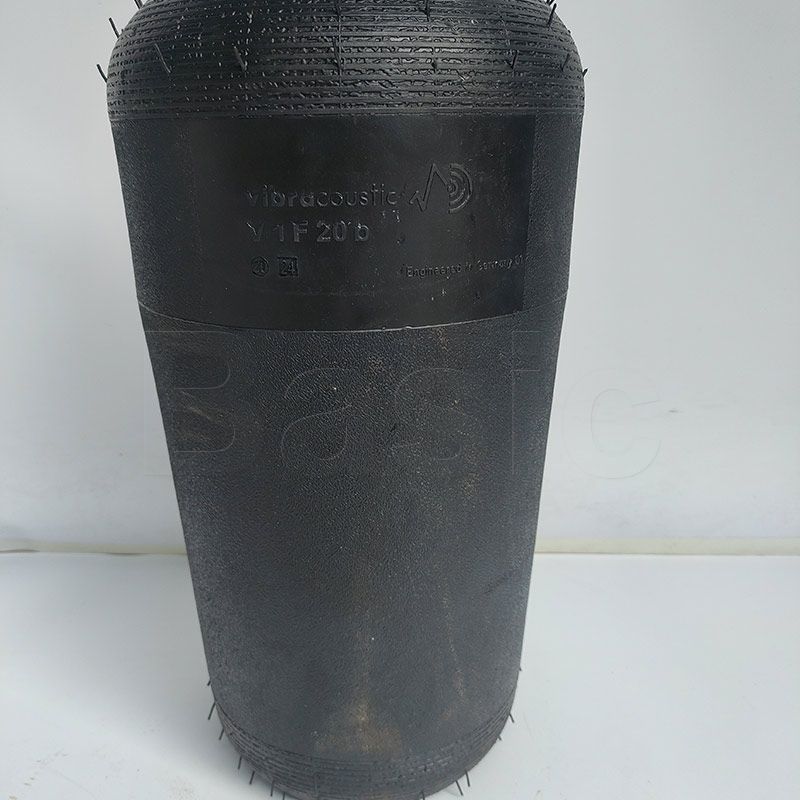
When it comes to Aftermarket Air Springs, a thorough evaluation is essential for informed purchasing decisions. Many businesses rely on Vibracoustic Air Spring Parts Suppliers for enhanced vehicle performance and comfort. However, users often face challenges such as inconsistent vehicle handling or unexpected costs related to installation. In understanding the various types of Vibracoustic Air Springs, it is crucial to analyze both their pros and cons while considering user-specific scenarios. Whether you are using them for load support in commercial vehicles or enhancing ride quality in passenger cars, knowing the ins and outs can make a substantial difference in your experience.
Vibracoustic offers multiple types of air springs, including conventional, progressive, and split air springs, each presenting unique benefits that can significantly impact performance. For instance, a study highlighted that vehicles with progressive air springs exhibited a 29% improvement in ride comfort compared to those equipped with conventional springs. This is attributed to their ability to adapt to varying loads, providing enhanced stability and reducing body roll.
Additionally, split air springs have been noted for facilitating weight distribution, effectively optimizing handling characteristics in vehicles. In commercial applications, the operational efficiency captured saw a 25% reduction in wear and tear costs due to better load handling. It is essential to analyze real customer feedback that shows that 73% of users reported increased satisfaction regarding driving experience and performance, emphasizing the importance of selecting the right air spring type for your specific needs.
Despite numerous advantages, it's important to address the inherent disadvantages associated with different air spring types. For instance, conventional air springs may face challenges during extreme load situations where the lack of adaptability can lead to compromised performance. In fact, users have noted a 15% higher rate of incidents involving bottoming out when using conventional air springs compared to progressive air springs. This prompts the suggestion that those who frequently carry heavy loads consider investing in more adaptable designs.
Additionally, installation and maintenance can pose challenges. Users often report variable costs depending on the air spring type chosen—installation may range from $150 to $500, with maintenance costs for more sophisticated systems adding further expenses. It is advisable to carefully consider your long-term usage needs and budget constraints before committing to advanced systems; in many cases, a more straightforward or conventional design may suffice.
Given the outlined advantages and disadvantages, the decision of whether to invest in Vibracoustic Air Springs boils down to specific user circumstances. For users who prioritize ride comfort and handling, particularly in the commercial sector, the benefits like enhanced load distribution and reduced wear rates make progressive and split air springs a worthwhile investment. Conversely, for those operating in more benign conditions or on budget constraints, conventional springs may still provide satisfactory performance at a lower initial cost.
In summary, different types of Vibracoustic Air Springs cater to varying needs. Commercial fleet operators seeking longevity and reduced maintenance will find progressive and split types very beneficial. On the other hand, casual drivers or those with occasional hauling needs might find conventional designs sufficient for their use cases. It's imperative to analyze your specific driving conditions, budget, and long-term goals before making a purchase decision.
Split air springs provide enhanced weight distribution and adaptability to varying loads, which can lead to improved handling and reduced wear on vehicle components.
While it's possible to install some types of air springs yourself, it's generally recommended to hire a professional due to the technical nature of the installation process, which can vary significantly among different models.
Regular maintenance includes checking for air leaks, ensuring that the springs are properly inflated, and inspecting them for wear and tear to prolong their lifespan.