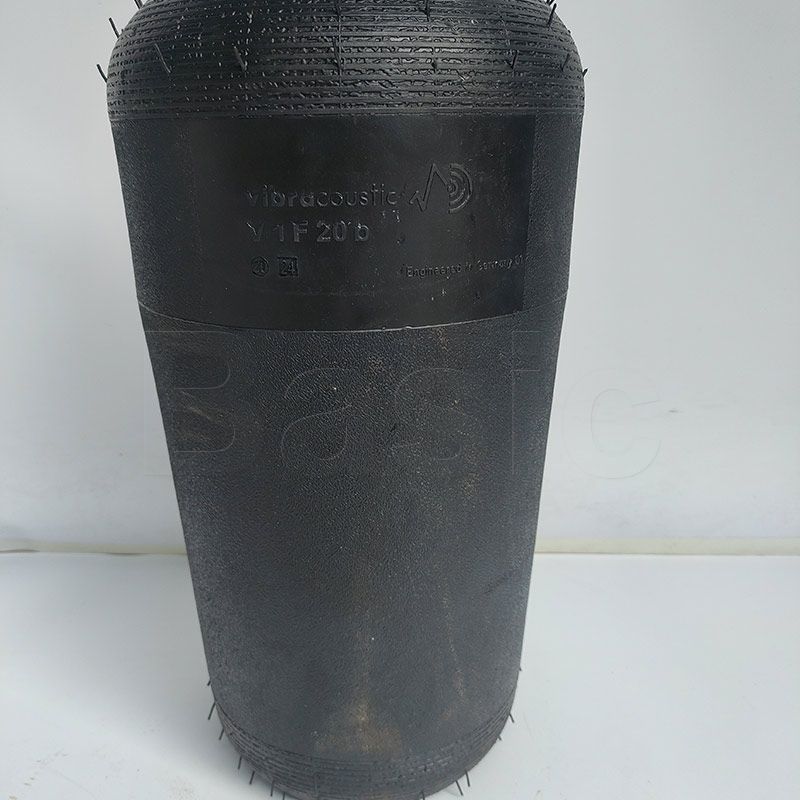
When considering upgrades to your vehicle's suspension system, particularly with Vibracoustic Air Spring Parts, it's essential to delve into a comprehensive evaluation of the options available. Users often face a myriad of challenges, such as maintaining ride comfort, ensuring reliability under load, and managing costs. These pain points are crucial for drivers who rely on their vehicles for daily commuting or heavy-duty performance, and thus a thorough assessment is significant. For instance, if your vehicle experiences high levels of vibration and noise, exploring the differences between rubber and composite air springs becomes vital. In this context, understanding the technical aspects of these systems can help consumers make informed decisions when selecting a Vibracoustic Air Spring Parts Supplier.
Rubber air springs are recognized for their durability and flexibility. Studies have demonstrated that rubber materials can withstand compression rates of up to 35% without loss of shape, making them ideal for high-load environments. Additionally, rubber springs exhibit excellent noise-damping properties, effectively reducing vibrations by approximately 20-40% compared to traditional coil springs, thus enhancing ride quality.
For heavy-duty applications, rubber air springs can handle dynamic loads exceeding 7000 lbs when installed correctly, providing peace of mind for transportation of goods. Furthermore, the lifespan of rubber air springs averages around 10 years under normal conditions, aligning well with user demand for longevity.
Composite air springs are engineered from advanced materials such as reinforced plastics, offering several unique benefits. One of the most appealing characteristics is their lightweight nature, which can reduce overall vehicle weight by approximately 15-25%. This reduction can enhance fuel efficiency by as much as 10%, translating into substantial savings on fuel costs over time.
Additionally, composite air springs are designed to resist corrosion and UV degradation, with a reported extended lifespan of up to 15 years on average. This durability is complemented by superior load-bearing capacities that can reach up to 9000 lbs, catering to heavier applications without compromising performance.
Moreover, composite materials provide enhanced temperature resistance, maintaining performance in extreme conditions, which translates into reliable operations across diverse climates.
Despite their strengths, rubber air springs do come with some drawbacks. One significant concern is their susceptibility to cracking and deterioration due to environmental factors such as ozone exposure. Studies indicate that rubber may lose elasticity after as few as 5 years in harsh environments.
Additionally, the performance of rubber air springs can fluctuate with temperature, resulting in a 15-25% reduction in efficiency when temperatures drop below freezing. For users in colder climates, this could mean reduced comfort and effectiveness.
To mitigate these issues, regular inspections and replacements are recommended, ideally every 5-7 years depending on usage and conditions.
On the flip side, composite air springs can be comparatively more expensive upfront, with costs rising by 20-40% relative to rubber alternatives. This initial investment may deter cost-sensitive consumers. Furthermore, installation can be more complex, necessitating specialized knowledge or equipment, which could result in additional service costs.
Some users may also find that while composite springs excel in weight efficiency, they may not provide the same level of comfort when absorbing jolts from rough terrains. Reports indicate that users have experienced about a 10% increase in noise levels on uneven surfaces compared to rubber air springs.
The choice between rubber and composite Vibracoustic air springs ultimately depends on the specific needs and conditions of the user. For those prioritizing cost-efficiency and simpler maintenance, rubber air springs may serve well. However, for consumers looking for optimal performance and fuel efficiency in the long term, composite springs can justify their higher price with their advanced engineering and durability.
Rubber air springs suit those on a budget or in stable climatic conditions where durability and ease of maintenance are preferable. In contrast, composite air springs are advisable for heavy-duty users or those operating under extreme temperature variations who are willing to invest upfront for a potentially longer lifespan and improved performance.
Rubber air springs typically last around 10 years under optimal conditions but may require replacement sooner in harsh environments.
Yes, if you need enhanced performance, corrosion resistance, and better fuel efficiency, the investment can be worthwhile.
While rubber air springs are generally easier to install, composite air springs may require professional installation due to their complexity and specific requirements.
Rubber springs work well in moderate climates and casual use, while composite springs excel in extreme conditions and heavy-duty applications.