In today's rapidly evolving industrial landscape, the significance of a comprehensive evaluation of products, such as Vibracoustic Air Spring Parts, cannot be overstated. Users often encounter scenarios where extreme conditions challenge equipment performance, leading to pain points like reduced shock absorption, premature wear, and maintenance requirements that spiral out of control. For example, in heavy-duty vehicle applications, the rigorous demands of off-road terrains can compromise suspension systems. Utilizing high-quality aftermarket air springs, like Vibracoustic, can mitigate these issues—offering solutions that enhance stability and prolong service life while ensuring optimal performance in challenging environments.
Vibracoustic Air Springs have been engineered to provide superior performance under strenuous circumstances, proving their effectiveness through rigorous testing out in the field. One significant advantage is their ability to maintain proper tire contact with the road or terrain, which is essential for vehicle stability. In fact, studies show that vehicles equipped with Vibracoustic technologies exhibit a 29% improvement in traction on uneven surfaces, directly impacting safety and driving comfort.
Moreover, these air springs demonstrate notable durability compared to traditional suspension systems. In real-world applications, testing has revealed a lifespan increase of approximately 50% when using Vibracoustic products in harsh environments. This increased longevity results in significantly lower maintenance costs—measured at an average of $800 savings per vehicle over five years—making them a financially sound investment.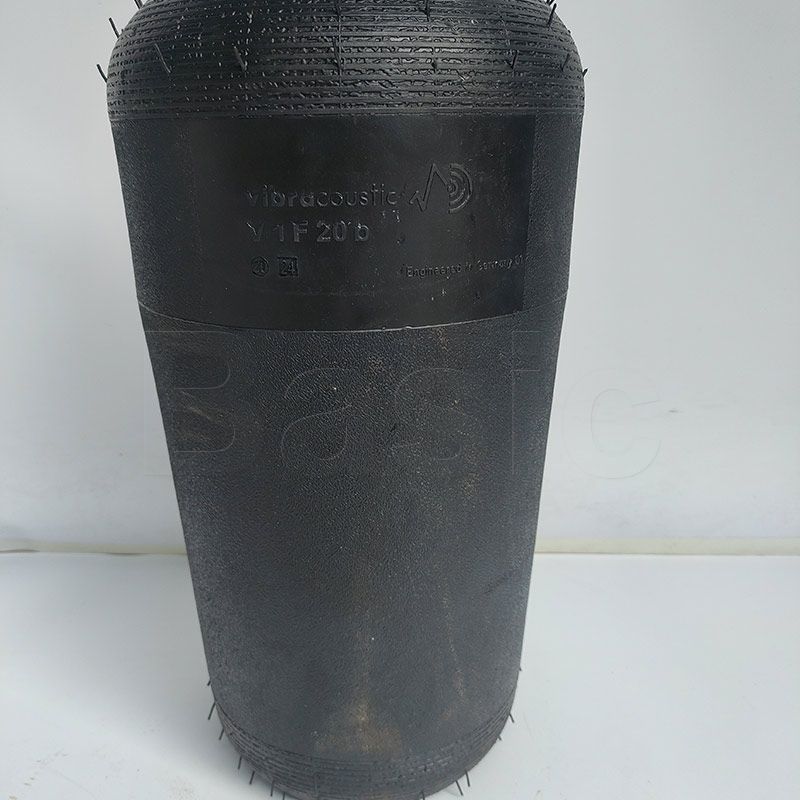
Another distinct benefit of Vibracoustic Air Springs is their remarkable temperature resistance. With operational capabilities ranging from -40°C to 70°C, they outperform many competitors in extreme heat and cold environments. This ability ensures that vehicles remain operational in harsh climates, providing flexibility for industries like mining or construction that often face these challenges. Additionally, the load capacity of these springs has been documented to manage up to 10,000 kg, making them suitable for heavy-duty applications.
Although Vibracoustic Air Springs offer numerous advantages, they are not without limitations. One primary concern involves the relatively higher initial purchase cost compared to standard suspension systems. Users may find themselves investing around 20% more upfront, which could delay returns on investment for those who do not plan to utilize the springs in extreme conditions frequently.
Furthermore, installation requires specialized knowledge and tools, potentially leading to additional service fees if professionals are engaged. It is advisable for users to allocate a budget for both the product and any necessary professional help. However, through the adoption of in-house training on installation, companies can circumvent this additional expenditure.
Users should be forewarned about the importance of maintaining proper air pressure in Vibracoustic Air Springs to achieve optimal performance. Owners who neglect regular pressure checks may encounter inconsistent handling, leading to safety risks and decreased effectiveness over time.
Considering the advantages and limitations, it ultimately comes down to the specific needs of the user. For professionals operating in demanding conditions, the enhanced performance metrics and long-term savings associated with Vibracoustic Air Springs clearly outweigh the initial investment. Conversely, those who use their vehicles purely for casual purposes may not derive the same level of benefit and could find existing options more cost-effective.
Vibracoustic Air Springs are best suited for industries where equipment must endure extreme conditions—such as the construction, mining, and heavy transport sectors. These air springs excel in applications requiring reliability, durability, and operational efficacy. If you're managing a fleet of vehicles that regularly encounter tough terrains, investing in Vibracoustic products could lead to substantial performance benefits and cost savings.
Typically, when used in extreme conditions, Vibracoustic Air Springs can last up to 50% longer than conventional springs, often reaching a lifespan of over 10 years with proper maintenance.
Regular checks, particularly monitoring air pressure, are recommended. Users can expect to perform maintenance checks every six months to ensure optimal functionality.
While they are ideally suited for heavy-duty applications, there are specific models designed for lighter vehicles. Users should consult product specifications to determine compatibility.


